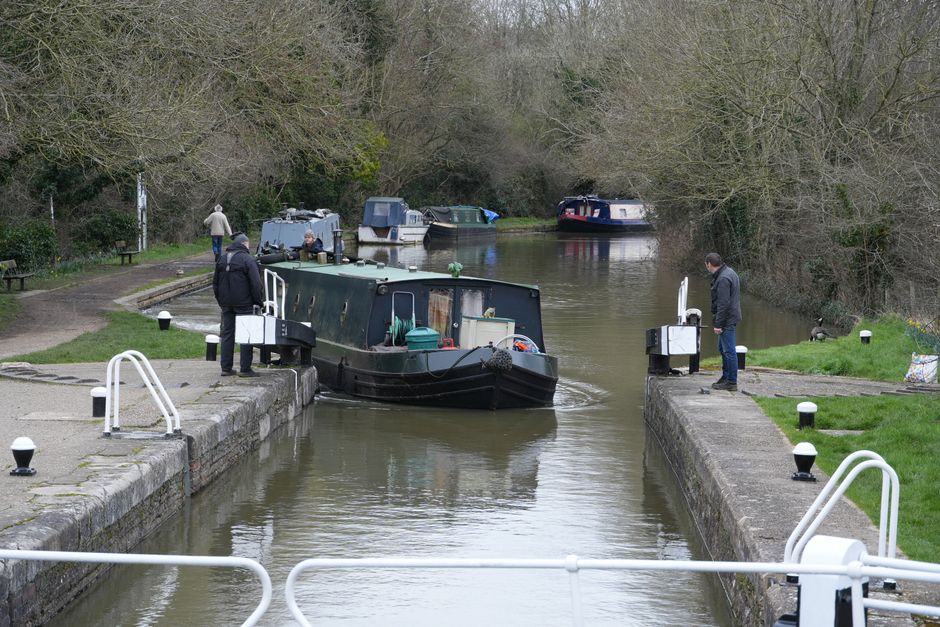
Regents Canal garden planting rules and gardeners advice
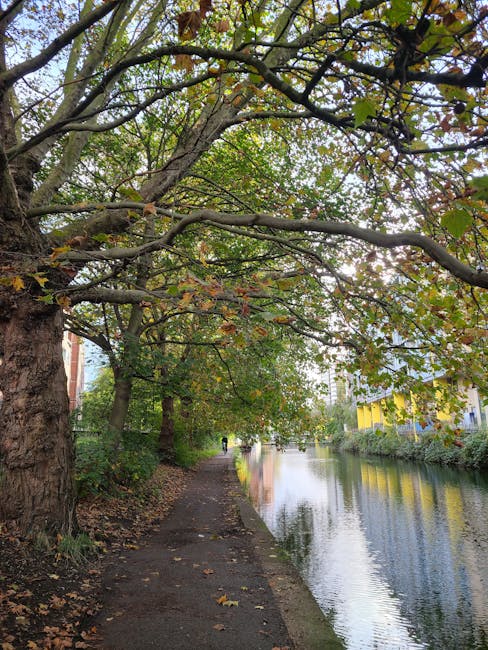
Planting beside Regent's Canal sounds simple enough until you start asking the awkward questions. Can you add a raised bed? What about a climber on a fence, or a tree that might shade the towpath? Who is responsible if roots spread, soil washes out, or a planter blocks access? The truth is, garden planting near the canal is a lovely idea, but it needs care, common sense, and a good grasp of the practical rules around access, safety, ownership, and maintenance. This guide on Regents Canal garden planting rules and gardeners advice breaks it down clearly so you can plan with confidence and avoid the sort of mistakes that become expensive, messy, or just annoying.
Whether you are tending a waterside garden, a communal courtyard close to the canal, or a small frontage that catches the eye of passers-by, the basics are the same: choose plants wisely, keep routes clear, protect the canal environment, and keep your planting tidy enough that it does not become a problem for you or anyone else. Let's get into it.
Why Regents Canal garden planting rules and gardeners advice Matters
Gardening near Regent's Canal is not the same as gardening in a quiet back garden with four walls and no public footfall. Here, your planting choices can affect access, visibility, drainage, wildlife, neighbours, and the overall look and feel of the canal edge. That is why the rules matter. They are not there to spoil the fun. They exist because waterways are shared spaces, and shared spaces need a bit of discipline.
In practical terms, planting rules help prevent a handful of very ordinary problems. A shrub that grows too wide can make a narrow path feel cramped. A planter without enough drainage can leak muddy water after heavy rain. A climber left unchecked can tangle itself into railings or spread where it should not. Even something as innocent as a pot placed too close to a route can create a trip hazard when the light fades at dusk.
There is also the canal environment itself to think about. Soil, fertiliser, and plant debris can all end up where they should not if the planting area is poorly managed. That does not mean you need to garden with gloves on and a rulebook in your pocket every minute. It just means you should design with restraint and keep maintenance in mind from the beginning.
Expert summary: The best canal-side planting plans are the ones that look effortless because they were designed carefully. A neat edge, the right species, and regular maintenance usually beat a dramatic planting scheme that becomes unruly by mid-summer.
If you are already dealing with overgrown beds or awkward access, you may want to think beyond planting and look at wider upkeep too. Services like garden maintenance or garden clearance can help restore order before you start planting properly.
How Regents Canal garden planting rules and gardeners advice Works
There is no single universal "planting rulebook" written just for every strip of land beside Regent's Canal. Instead, the practical approach is usually shaped by ownership, access needs, local conditions, and common-sense safety standards. That means you need to look at the site as a working environment, not just as a decorative one.
Start by understanding the space. Is the planting area on private land, shared land, a managed courtyard, or an edge that affects canal-side access? Is there a footpath nearby? Are there railings, retaining walls, steps, or a narrow passage that must stay clear? These details matter because planting that is perfectly fine in one spot can be a nuisance in another.
The main working principles are straightforward:
- keep access routes clear and unobstructed
- choose plants that suit light, wind, and moisture conditions
- avoid aggressive roots near structures and boundaries
- manage drainage so water does not pool or run where it should not
- prevent soil, mulch, and plant waste from spilling into walkways or the canal edge
- maintain planting regularly so it does not become overgrown
In real life, that often means planning with the end in mind. A young climbing rose might look harmless in spring, but by late summer it can start leaning into a route if it has no support. A compact ornamental grass can become a fountain of seeds and dead foliage if left unchecked. Nothing dramatic, just the usual garden story: plants grow, then they keep growing.
For people who want the planting to sit neatly alongside hard landscaping, it can help to think about structure as well. A well-built edge, path, or raised area can make maintenance easier, and related services such as landscape gardening or landscaping may be useful where the planting zone needs a proper reset before anything goes in.
Key Benefits and Practical Advantages
Good planting near Regent's Canal does more than make the place look pretty. Done well, it solves problems before they start.
First, it improves the visual quality of a small space. Waterside areas can feel hard and urban unless planting softens the edges. A few carefully chosen shrubs, grasses, and seasonal plants can make a very ordinary frontage feel calmer and more lived-in. On a grey London morning, that little bit of green goes a long way.
Second, it helps with privacy and comfort. If you live or work near a canal path, strategic planting can create a sense of separation without turning the place into a fortress. You still want light, of course. Nobody wants a gloomy hedge wall. But a thoughtful mix of heights and textures can make a space feel more usable.
Third, it supports safer, easier upkeep. A garden designed around access is simply less stressful. You can prune it, water it, and clear it without fighting with every corner. That matters more than people expect. A beautiful planting scheme that is miserable to maintain becomes, well, not so beautiful after a few months.
There are environmental advantages too. Using the right plants can support pollinators, reduce bare soil, and help stabilise planting beds. Just keep in mind that canal-side conditions can be windy and exposed, so the strongest-looking plant in the nursery is not always the smartest choice.
And for owners or managers juggling budgets, a well-planned scheme is often more cost-effective over time because it needs fewer emergency tidy-ups. If you need to compare options or plan future work, the pricing and quotes page is a sensible place to start thinking through scope and priorities.
Who This Is For and When It Makes Sense
This topic matters to a fairly wide group, not just people with an obvious canal-side garden. If your property, terrace, courtyard, or shared exterior space sits close to Regent's Canal, these rules and tips are probably relevant to you in some form.
- homeowners with canal-facing gardens or frontages
- landlords looking after rental properties near the water
- managing agents responsible for communal outdoor spaces
- small businesses with planted frontage near a canal route
- gardeners asked to maintain a shared or narrow planting area
- anyone redesigning a waterside space from scratch
It makes the most sense when planting is visible, exposed, shared, or difficult to access. A hidden back border is one thing. A planter beside a pedestrian route is another. The more people interact with the space, the more you should think about tidy edges, good sightlines, and straightforward maintenance.
Truth be told, this also matters if you are the sort of person who likes to do things properly first time. Because once a plant has established itself in the wrong place, or a bed has been set up without enough clearance, you usually spend the next year correcting it. Gardening has a habit of teaching patience whether you asked for it or not.
Step-by-Step Guidance
If you are planning canal-side planting, work through the job in a sensible order. Rushing the fun bits before you have checked the basics is how people end up moving plants twice.
1. Confirm who controls the space
Before you dig anything, work out whether the area is private, shared, leased, or subject to restrictions. If you are not sure, ask before planting. That sounds obvious, but in the real world, people often skip it because the space looks unused. Looks can be deceptive.
2. Map out access and safety points
Walk the area and look for the narrowest points, trip hazards, and anything that needs to stay unobstructed. Think about wheelbarrows, bins, maintenance visits, and people passing through in wet weather. A path that feels fine in dry daylight can feel very different after rain and fallen leaves.
3. Assess light, wind, and moisture
Canal-side spaces often get more wind than you expect. Buildings may create shade, while reflective water can affect light and humidity. Choose plants for the conditions you actually have, not the ones you wish you had. A small amount of observation in the morning and late afternoon can save a lot of rework.
4. Pick the right planting style
Decide whether you need ground planting, raised beds, containers, or a mixed approach. Containers give you control, especially where ground conditions are poor or unclear. Raised beds can make access easier and help with drainage. Ground planting may suit larger or more established spaces, but it needs more care around roots and spread.
5. Select plants that stay manageable
Look for varieties with modest mature size, non-invasive habits, and a growth pattern you can maintain. Compact shrubs, hardy perennials, and slower-growing climbers are usually safer bets than anything too eager. You do not need a botanical masterpiece. You need something that behaves.
6. Build in drainage and edge control
Water needs somewhere to go. Planters and beds should not dump runoff into pathways or the canal edge. Use decent compost, mulch carefully, and keep soil levels below the rim of containers where spill-out is likely. A neat edge also makes a space feel more finished.
7. Put a maintenance routine in place
Watering, deadheading, pruning, weed control, and litter removal should all be part of the plan from day one. If the space is shared or public-facing, assign responsibility clearly. A planting scheme without maintenance is really just a short-lived wish.
8. Review after the first season
Once the plants have lived through a bit of wind, rain, and heat, review what worked and what did not. You will probably spot one or two surprises. Maybe that tall grass is too floppy. Maybe the lavender is in a colder pocket than expected. Adjusting after the first season is normal, not a failure.
Expert Tips for Better Results
The best canal-side gardens usually share a few quiet habits. Nothing flashy, just thoughtful gardening that avoids drama.
Keep the planting palette restrained. A small number of well-chosen species often looks more polished than a crowded mix of everything you liked at the garden centre. Repetition gives a space rhythm. Too many different plants can make even a good design feel untidy.
Use structure where the space is tight. Ornamental grasses, evergreen shrubs, and a few seasonal highlights can work better than a complicated bed full of delicate plants. On windy stretches, a little structure helps the garden read clearly from a distance.
Think about autumn, not just spring. Many planting plans look lovely in April and slightly sorry for themselves by October. Choose plants that still look presentable when the weather turns. That matters more near a canal where moisture, wind, and leaf drop all pile up.
Don't overfeed. Overly rich feeding can push soft growth that flops or attracts pests. Near waterways, restraint is often the wiser option anyway. Better to feed lightly and regularly, if needed, than to force the issue.
Stay ahead of pruning. Small, frequent cuts are usually easier than one heroic weekend with hedge trimmers and a cup of tea gone cold. If you need ongoing help with taller boundaries or awkward edges, a service such as hedge trimming can keep things neat without letting plants get out of hand.
Use containers where confidence is low. If you are testing a site, start with pots. They let you learn the conditions without committing to a big permanent planting bed. Not glamorous, but very sensible.
Choose maintenance-friendly materials. Simple edging, clean gravel, and solid container bases reduce the chance of mud and mess. If the planting zone is part of a broader outdoor refresh, services overview can help you see how the different pieces fit together.
Common Mistakes to Avoid
Most mistakes near Regent's Canal are not complicated. They are usually the result of underestimating growth, access, or mess.
- Planting too close to paths or railings. What starts tidy can quickly narrow a route.
- Choosing plants for looks only. If they hate wind, shade, or poor drainage, they will sulk.
- Ignoring mature size. The label matters. The plant will believe it.
- Using too much soil or mulch without containment. Spill-out creates dirty edges and slippery surfaces.
- Forgetting regular maintenance. Weeds, dead stems, and self-seeded extras can make the whole area look neglected.
- Adding invasive or aggressive species without checking spread. Roots and runners can become a real headache near structures.
- Mixing planting with clutter. Garden tools, spare pots, and random items left in the planting zone make even a decent setup look chaotic.
A common one is this: someone builds a lovely bed, plants it beautifully, then never quite gets around to checking it again. Two months later, one shrub is leaning into the route, another is fading in dry shade, and the whole thing looks tired. Happens all the time.
If the garden is already crowded or difficult to access, you may need a clean-up first rather than a planting job straight away. That is where garden clearance can be a practical first move.
Tools, Resources and Recommendations
You do not need a van full of specialist kit to manage canal-side planting well. A fairly modest toolkit usually does the job.
- gloves, hand trowel, fork, and secateurs
- watering can or hose with controlled flow
- sturdy container bases or raised bed materials
- slow-release compost or planting medium suited to the chosen plants
- mulch, but used carefully and not piled against stems
- basic measuring tape for checking clearances
- string line or marker canes for keeping edges straight
Beyond tools, a few practical resources help just as much. Keep a simple planting plan, even if it is only on paper. Note what you planted, where, and when. That makes seasonal maintenance far easier. If a plant fails, you know why it may have failed. If a bed thrives, you can repeat the pattern.
For larger or more demanding spaces, it can be worth pairing planting with ongoing upkeep. A regular garden maintenance schedule can be the difference between a tidy riverside look and a patch that gradually goes feral. Not dramatically feral, just enough to be noticed by every passer-by.
If you are comparing professional help, think about whether you need design input, structural work, or ongoing maintenance. A well-matched plan saves money and avoids the annoying situation where you pay for planting but still need a separate tidy-up a few weeks later. Nobody enjoys that double job.
Law, Compliance, Standards, or Best Practice
It is important to be careful here. Specific rules can vary depending on ownership, local management arrangements, access requirements, and the nature of the canal-side land. So rather than assuming one fixed rule applies everywhere, treat this as a best-practice area where caution is wise.
In general, you should think about the following:
- Access and obstruction: planting must not block shared routes, entrances, or maintenance access.
- Public safety: pots, edges, tools, and overgrown growth should not create trip or visibility hazards.
- Property boundaries: be clear about where planting is allowed and who is responsible for it.
- Drainage and run-off: avoid creating muddy or slippery conditions or allowing soil to wash into unwanted areas.
- Tree and root management: larger woody plants should be chosen carefully where foundations, walls, or underground services may be affected.
- Environmental care: avoid wasteful use of fertilisers or careless disposal of green waste.
In the UK, good garden practice also includes sensible attention to health and safety: manual handling, tool safety, ladder use, and keeping work areas tidy. If a job feels awkward or risky, that is usually the moment to slow down rather than push through. A neat garden is no use if somebody twists an ankle getting to it.
For professionals or property managers, it also helps to understand how contractors work on site. Policies on safety, insurance, and responsible working practices matter, especially in shared spaces. You can read more about those standards via health and safety policy and insurance and safety. Those pages do not replace site-specific planning, of course, but they do show the kind of care a good service should bring.
Where sustainability is part of the brief, it makes sense to think about waste handling and material choices too. The page on recycling and sustainability is useful if you want to reduce green waste and keep the project more responsible.
Options, Methods, or Comparison Table
There is no single right way to plant near Regent's Canal. The best method depends on space, access, and how much maintenance you can realistically keep up with.
| Planting method | Best for | Advantages | Watch-outs |
|---|---|---|---|
| Ground planting | Larger, stable beds with clear ownership | Natural look, less need for containers, strong long-term impact | Requires clearer boundary control and more careful root selection |
| Raised beds | Tight spaces, poor soil, better access | Easier maintenance, improved drainage, more control over compost and planting depth | Can look bulky if badly designed; needs solid construction |
| Containers | Uncertain sites, patios, rental properties, temporary setups | Flexible, easy to move, ideal for testing conditions | Need regular watering and feeding; can dry out quickly |
| Mixed planting | Spaces needing both structure and variety | Balances visual interest with practicality | Needs more planning to avoid clutter or inconsistent maintenance |
For most canal-side locations, a mixed approach works well. Containers near access points, low-maintenance planting in the main bed, and perhaps a few structural plants for year-round shape. That combination is often more durable than a showy all-at-once scheme.
Case Study or Real-World Example
Imagine a narrow shared frontage near Regent's Canal with a tired strip of soil, a couple of old pots, and a path that regular visitors use. The space looks a bit forgotten. Nothing awful, just patchy and awkward. The owner wants planting, but not a jungle, and definitely not anything that makes the route feel cramped.
The first step is clearing the dead material and checking the access line. That alone changes the space. The next step is to decide on a restrained planting plan: two compact evergreen shrubs for structure, three perennial varieties that cope with light shade and wind, and several containers with seasonal colour near the edge where the eye naturally lands. The bed is edged neatly, the soil level is kept below the top of the planters, and all tall growth is positioned away from the main walkway.
After a few weeks, the practical differences are obvious. The route feels more open. The planting looks intentional instead of improvised. Maintenance is simpler because there are fewer awkward corners and fewer plants trying to claim more territory than they were given. A little bit of planning, honestly, goes a long way.
If a space starts in worse shape than this, a broader refresh may be needed before planting. In that case, services such as landscape gardening or lawn mowing may be part of the overall tidy-up, depending on what is on site.
Practical Checklist
Use this before any planting work near Regent's Canal. It keeps things simple.
- Check who owns or controls the planting area.
- Walk the site and identify access routes, hazards, and pinch points.
- Note the light, wind, drainage, and moisture conditions.
- Choose plants that suit the site, not just the photo on the label.
- Keep mature size in mind, especially near paths and boundaries.
- Leave enough clear space for people, maintenance, and cleaning.
- Use containers or raised beds if the ground is uncertain.
- Plan watering, pruning, and weeding from day one.
- Contain soil and mulch so they do not spill out.
- Review the planting after the first season and adjust if needed.
If you can tick those off, you are already ahead of most problem plantings. Not perfect, maybe. But properly thought through.
Conclusion
Regent's Canal is one of those places where planting can either quietly elevate a space or create months of small frustrations. The difference usually comes down to planning, restraint, and maintenance. Keep routes clear. Choose plants that suit the conditions. Think about access before appearance, then make it look good anyway. That is the trick.
Good canal-side gardening does not need to be complicated. It just needs to be respectful of the space, realistic about growth, and steady in the follow-through. If you get the basics right, the result can feel calm, practical, and genuinely welcoming - the kind of garden that makes you slow down for a moment, even on a busy day.
Get a free quote today and see how much you can save.
For more about the team behind this kind of work, take a look at about us, or get in touch through the contact page if you want to talk through a canal-side project properly.
Frequently Asked Questions
Can I plant anything I want near Regent's Canal?
Not quite. You need to think about ownership, access, safety, and how the planting will affect the space over time. A plant that looks fine in a pot can become a problem if it blocks a route or spreads too aggressively.
Are raised beds better than ground planting for canal-side gardens?
Often yes, especially in tighter or more uncertain spaces. Raised beds can improve drainage and make maintenance easier. They are not always necessary, but they are a sensible option where access or soil quality is limited.
What plants are safest for a narrow waterside space?
Compact shrubs, hardy perennials, and restrained climbers are usually safer choices than anything fast-growing or heavily spreading. The main idea is to choose plants that stay manageable and do not overwhelm the route.
Do I need permission before planting in a shared canal-side area?
Usually, yes, or at least some form of agreement. If the area is shared, leased, or managed by someone else, check first. It is always better to ask than to assume, especially in a space where access matters.
How often should canal-side planting be maintained?
That depends on the plants, but regular attention is essential. In many cases, a light weekly check and seasonal pruning keep things under control. If maintenance is ignored, growth can become awkward surprisingly quickly.
What is the biggest mistake people make with canal planting?
Planting for looks only and forgetting about mature size. It is a classic one. A small plant in spring can turn into a bulky, leaning, or messy feature by late summer if nobody planned for growth.
Can planting affect drainage near the canal?
Yes, especially if beds are overwatered or poorly edged. Good drainage design helps prevent waterlogging, mud, and run-off onto paths. That is one reason site planning matters so much.
Is container gardening a good option for Regent's Canal properties?
Very often, yes. Containers are flexible, easier to control, and useful where the ground is limited or the site is not permanent. Just remember they need watering and feeding more often than ground planting.
How do I keep a planted area neat through winter?
Use evergreen structure, trim back dead material before it becomes a mess, and avoid leaving loose soil or pots scattered around. Winter is when tidy edges matter most, because everything feels a bit more exposed.
When should I bring in professional help?
If the site is overgrown, difficult to access, near structures, or part of a shared property, professional help can save time and reduce risk. It is especially useful when planting needs to be combined with clearance, maintenance, or a larger design change.
What if I want the garden to look good but also be low maintenance?
That is a very sensible goal. Keep the palette simple, choose robust plants, use structure, and avoid high-maintenance species that need constant attention. Low maintenance does not mean boring. It just means practical.
Where can I get help with a canal-side garden project?
You can explore the full range of services on the services overview page, or request tailored support if your space needs clearing, planting, or regular upkeep. A bit of guidance early on usually pays off later.