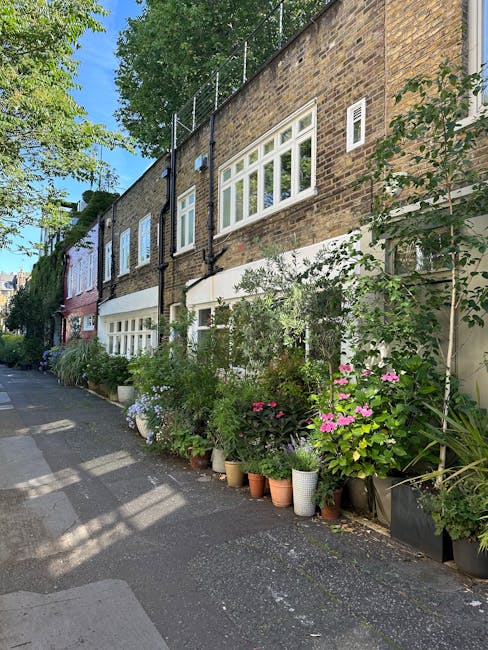
Office gardeners for Kings Cross businesses and landlords
If you manage a busy office building, a mixed-use site, or a rental property in central London, the outside space can quietly shape how people feel about the whole place. A neat frontage, healthy planting, and a tidy courtyard send the right message before anyone even reaches the door. That is exactly where Office gardeners for Kings Cross businesses and landlords come in.
In practice, this is about more than mowing a lawn or trimming a hedge now and then. It is about keeping external spaces presentable, safe, and easy to manage in an area where foot traffic, deliveries, weather, and tenant expectations all pile up fast. Kings Cross is lively, exposed, and unforgiving when a garden or communal outside area is neglected. A windy week and a bit of rain, and suddenly everything looks tired.
This guide explains what office gardening actually involves, how it works, who needs it, and what to look for if you want reliable long-term results. We will also cover practical pitfalls, compliance considerations, and a simple checklist you can use when planning work. No fluff. Just the stuff that helps you make a good decision.
For a broader look at the full range of services available, it can help to start with the services overview and then drill into the specific tasks your site needs most.
Table of Contents
- Why this matters for Kings Cross businesses and landlords
- How office gardening works in practice
- Key benefits and practical advantages
- Who it is for and when it makes sense
- Step-by-step guidance
- Expert tips for better results
- Common mistakes to avoid
- Tools, resources and recommendations
- Law, compliance, standards and best practice
- Options, methods and comparison table
- Case study or real-world example
- Practical checklist
- Conclusion
- Frequently asked questions
Why Office gardeners for Kings Cross businesses and landlords Matters
Kings Cross is a high-visibility part of London. That sounds obvious, but it matters. People are arriving for meetings, viewing flats, collecting parcels, visiting retail units, or walking through on the way somewhere else. Your exterior space is often part of the first impression, whether you intend it or not.
For businesses, a well-kept entrance or courtyard supports professionalism. For landlords, it can reduce complaints, improve tenant satisfaction, and make a property feel cared for. Neglected greenery does the opposite. Overgrown hedges can block sightlines. Weeds collect in paving cracks. Fallen leaves make entrances messy and sometimes slippery. Dead patches of turf or tired planters can make a building look like it is being left to drift.
There is also a practical side. Routine garden maintenance is usually simpler and cheaper than reactive clean-up after everything has got out of hand. That is true whether you are dealing with a small office forecourt or a larger shared landscape. A little steady care tends to prevent the bigger jobs that nobody wants to authorise at the last minute.
To put it plainly: regular office gardening is not cosmetic extra; it is part of property care. And in a place like Kings Cross, where standards are high and space is at a premium, that really shows.
Expert summary: Good office gardening in Kings Cross is about consistency, safety, presentation, and tenant experience. The best results come from planned maintenance, not emergency tidying.
How Office gardeners for Kings Cross businesses and landlords Works
The process usually begins with a site assessment. A gardener or landscaping team looks at the space, the condition of planting, access, waste collection points, any seasonal pressure, and the level of upkeep required. A tiny internal courtyard needs a different approach from a shared entrance with beds, hedging, and trees. Fair enough.
From there, the work is often split into routine and occasional tasks. Routine work might include mowing, edging, pruning, weeding, deadheading, leaf clearance, and keeping pathways clear. Occasional work might involve bigger tidying jobs, replanting, reshaping overgrown areas, or more substantial improvements to layout and use.
For many sites, the most effective model is a scheduled maintenance plan. That might be weekly in summer, fortnightly in shoulder seasons, and more flexible in winter. The point is to match the garden's pace, not force it into a generic schedule. London weather does its own thing, as you know, and planting never quite reads the memo.
Some landlords also need coordination with tenants or building managers. Access times, noise, waste removal, and health and safety procedures all need to be handled cleanly. A good service should be able to work around building use without causing disruption. If the job involves larger shrubs, hedges, or tree work, more specialist tasks may be added in. Where required, that can include hedge trimming, lawn mowing, tree lopping and removal, or garden clearance for areas that need a proper reset.
A simple working pattern
- Inspect the site and identify priorities.
- Agree what should happen regularly and what can be done less often.
- Set access times and reporting arrangements.
- Carry out the work with minimal disruption.
- Review condition, seasonal changes, and any follow-up needs.
That sounds straightforward because, well, it should be. The best gardening arrangements are the ones that feel boring in the best possible way: on time, tidy, and predictable.
Key Benefits and Practical Advantages
There are several reasons businesses and landlords keep coming back to structured garden maintenance instead of ad hoc fixes.
1. Better first impressions
People judge a property quickly. A crisp border, clean path edge, and healthy planting make a site feel managed. That matters for offices, managed blocks, retail-adjacent buildings, and professional services firms that want the outside to match the standard inside.
2. Lower long-term repair pressure
When planting is maintained properly, you are less likely to face root issues, broken edges, blocked walkways, or expensive rescue work after months of neglect. Small jobs stay small. Usually. That is the goal anyway.
3. Improved safety and access
Overgrowth around entrances, lighting, bins, and pathways can become a hazard. Regular trimming and clearing keep movement routes open and reduce avoidable trip or snag risks. If your site is busy, this is not just about appearance; it is about basic usability.
4. Better tenant satisfaction
Residential landlords and block managers know this already: tenants notice the shared areas. If the courtyard is weeded, the hedges are trimmed, and the leaves are cleared, complaints tend to drop. People feel looked after. It really is that simple.
5. Easier budgeting
Scheduled maintenance is easier to plan for than one-off emergency work. You can forecast recurring care, request quotes with more context, and avoid last-minute panic when the place starts looking rough.
Where landscaping changes are needed, that can also be planned as a staged improvement rather than a rushed overhaul. If your site would benefit from a more substantial refresh, take a look at landscape gardening or broader landscaping options.
Who This Is For and When It Makes Sense
This kind of service is relevant to a surprisingly wide range of people. If the outdoor area affects how your building operates, it probably matters more than you think.
Businesses
- Office buildings with front gardens, courtyards, or planted entrance areas
- Professional firms that want a polished client-facing environment
- Hospitality-adjacent premises with shared external space
- Commercial units where presentation influences customer trust
Landlords and property managers
- Single-let properties with gardens that need consistent care
- Blocks of flats with communal planting and access routes
- Mixed-use buildings where tenants expect the exterior to be tidy
- Properties preparing for viewings, new tenancies, or handover
When it makes sense to act
You do not need to wait until everything looks overgrown. In fact, that is usually the worst time to start, because by then you are dealing with a bigger reset than ongoing care. It makes sense when you notice any of the following:
- Weeds are becoming visible week after week
- Hedges are interfering with windows, access, or sightlines
- Leaf build-up is affecting entrances or drains
- Tenants or staff are commenting on the outside area
- You are preparing a property for sale, lease, or inspection
To be fair, some sites only need a light touch. Others need proper groundwork first. A good provider should be honest about that rather than selling you an oversized package you do not need.
Step-by-Step Guidance
If you are arranging office garden care for the first time, here is a straightforward way to approach it.
Step 1: Identify the real problem
Are you trying to improve presentation, reduce complaints, restore a neglected space, or keep an already tidy area under control? The answer changes the scope. A short, neat courtyard with tired planters is a different job from a long-neglected communal garden with brambles and waste.
Step 2: Separate routine work from one-off work
Routine tasks include mowing, trimming, weeding, and tidying. One-off tasks may include clearance, reshaping, or a seasonal reset. Splitting those out helps you compare quotes properly and stops people bundling everything together in a confusing way.
Step 3: Clarify access and timing
Think about delivery times, staff arrival, tenant access, and any noise-sensitive periods. In an office environment, early morning or low-traffic windows can make a huge difference. For landlords, access arrangements may need to be built around occupancy or notice periods.
Step 4: Confirm waste handling
Green waste, clippings, and removed material need to go somewhere. If a site is producing regular waste, ask how it will be managed and whether the provider has a recycling-minded approach. You can also review a provider's recycling and sustainability approach if that matters to your building policies.
Step 5: Set a maintenance rhythm
Agree how often the site should be visited and what "good" looks like. Some areas need more frequent attention in spring and summer. Winter can be quieter, but not dead quiet. Leaves, weather, and foot traffic still happen.
Step 6: Review and adjust
After the first few visits, assess whether the plan is working. Maybe the lawn needs more attention than expected. Maybe the hedging is more vigorous than anticipated. Adjusting the schedule early is better than letting small problems spread.
Expert Tips for Better Results
Here are a few things that tend to make the biggest difference, especially on office and landlord properties where time is tight.
Think seasonally, not reactively
Spring growth can catch people out. Autumn leaf fall can do the same. A site that looks fine in one month may need a different approach the next. A seasonal plan keeps you ahead of that cycle instead of chasing it.
Prioritise the front-facing spaces first
If budgets are limited, start where people actually see the property: entrances, visible beds, reception-facing windows, and main paths. Side areas matter too, but front-of-house spaces usually deliver the quickest improvement.
Keep the design simple if maintenance is limited
Not every site should have elaborate planting. Honestly, some office courtyards would be easier to keep beautiful if they were a bit less ambitious. If a landlord knows maintenance will be light, choose robust planting and clean lines over fragile features that need constant attention.
Use one clear point of contact
Jobs can go sideways when too many people are giving instructions. One contact for the building manager, landlord, or facilities lead keeps the process calm and avoids crossed wires.
Ask for practical reporting
Useful updates are short and specific: what was done, what needs follow-up, and what might need attention next time. No one needs a novel. A few clear notes are enough.
Do not ignore the awkward corners
Those little side strips behind bins, around AC units, or beside service entrances are often where the mess starts. They are easy to forget, and then suddenly they are not.
If your outside area needs more than routine care, it can be worth looking at garden maintenance as the base service and adding specialist support only where needed.
Common Mistakes to Avoid
Some issues show up again and again. The good news is that they are avoidable.
1. Booking one-off tidy-ups instead of ongoing care
A single visit can make a place look better for a week or two. But if the space is regularly used and exposed, the improvement fades fast. Scheduled care is usually the smarter long-term move.
2. Choosing the cheapest option without checking scope
Cheaper can be fine. But only if the quote genuinely covers what you need. Otherwise, you can end up paying twice: once for the basic job and again for the extra work that was not included. Annoying, to say the least.
3. Overlooking access and security
Garden work in office or landlord settings often needs coordination. If access is awkward, the wrong timing can disrupt staff, tenants, or contractors. Solve that upfront.
4. Ignoring the condition of hard surfaces
A tidy border does not solve a slippery path, a cluttered step, or a blocked drain. Good external care looks at the whole environment, not just the planting.
5. Letting clearance work get out of hand
Once an area has become heavily overgrown, restoration may be needed before routine maintenance can take over. If that is the case, a proper garden clearance can reset the space far more effectively than trying to trim around the problem.
Tools, Resources and Recommendations
You do not need to be a gardening expert to manage a good service, but a few simple tools and reference points help a lot.
Useful management tools
- A site checklist for each visit
- A seasonal calendar for mowing, trimming, pruning, and leaf clearance
- A shared photo record of problem areas before and after work
- A simple budget tracker for routine and one-off tasks
Practical recommendations
- Choose robust planting for exposed or high-traffic areas
- Keep paths and entrances visually open
- Use consistent maintenance intervals rather than sporadic visits
- Review how waste is removed after each job
- Prioritise services that match the site, not a generic package
Helpful service areas to consider
Depending on the condition of the property, you may need a mix of services rather than one all-purpose visit. For example, a site might need hedge work, grass care, and longer-term improvements. In that case, the most relevant supporting services may include hedge trimming, lawn mowing, and, where appropriate, landscape gardening.
If the outside area has features such as timber structures, decking, or a more designed courtyard feel, it can also be useful to look at decking services as part of the overall maintenance picture.
Law, Compliance, Standards and Best Practice
This topic can touch on health and safety, site access, waste handling, and landlord responsibilities, so it is worth being careful. The exact legal duties will depend on the type of property, the arrangement in place, and how the site is managed. It is wise to check the specifics rather than assume every building works the same way.
For businesses and landlords, the key point is simple: outdoor areas should be maintained in a way that is safe, reasonable, and appropriate for use. That means thinking about trip hazards, overgrowth near entrances, visibility, and the secure handling of tools and waste. If contractors are working on-site, it also makes sense to understand how they manage risk and access.
Before appointing anyone, many property managers like to review a provider's approach to health and safety and insurance and safety. That is sensible. It is not about being overly formal; it is about avoiding awkward surprises if something goes wrong on a busy site.
Good practice usually includes:
- Clear scope of work agreed in writing
- Appropriate timing to reduce disruption
- Safe handling of tools, ladders, and equipment
- Careful disposal or recycling of green waste
- Respect for tenant access and privacy
Where contracts are involved, it can also help to check the provider's terms and how they handle payments and service expectations. For internal admin teams, that is often just part of keeping everything tidy and traceable. The boring bits matter. They really do.
Options, Methods, and Comparison Table
There are a few common ways to manage garden care at office and landlord properties. The right one depends on the site, budget, and how much oversight you want.
| Approach | Best for | Pros | Trade-offs |
|---|---|---|---|
| One-off tidy-up | Short-term presentation fixes | Fast improvement, useful before inspections or viewings | Condition often slips again without follow-up |
| Scheduled maintenance | Most offices and managed properties | Consistent presentation, easier budgeting, fewer surprises | Needs regular coordination and planning |
| Full clearance and reset | Neglected gardens or vacant properties | Restores usable space, removes heavy overgrowth | Higher initial effort before maintenance can begin |
| Landscape improvement project | Sites needing layout or usability changes | Can make the space easier to maintain and better to use | Usually slower and more involved than routine care |
In many real-world situations, the answer is not one method forever. It is a sequence. Start with clearance if needed, move to maintenance, and then consider improvements if the space still is not working properly. That progression tends to make sense for landlords especially, because it balances cost with visible results.
Case Study or Real-World Example
Here is a realistic scenario drawn from the kind of work that comes up often in central London.
A small office building near Kings Cross has a front planted strip, a narrow side path, and a modest rear courtyard used by staff at lunch. The frontage looked fine in winter, but by late spring the hedges had started to push into the walkway, weeds had spread through the paving joints, and the rear planters were drying out unevenly. Staff had stopped sitting outside because it felt a bit uncared for. Not disastrous. Just quietly shabby.
The fix was not dramatic. First, the team cleared the worst debris and cut back the growth around access points. Next came a tidy programme of mowing, weeding, hedge trimming, and light planting refreshes. The rear courtyard was then simplified so it would be easier to maintain through the year. Nothing fancy. Just practical decisions.
The result was a space that looked more intentional and felt easier to use. The staff area became pleasant again, the entrance looked more professional, and the building manager no longer had to field repeated comments about the outside space. That is the pattern, really: small, steady improvements add up.
For the bigger picture, the work also aligned better with routine management, which made future upkeep simpler rather than harder. If you know the rhythm, you can keep pace. If you do not, the garden will decide for you.
Practical Checklist
Use this checklist before you commission work or review your current arrangement:
- Have you identified whether the site needs maintenance, clearance, or both?
- Are entrances, walkways, and visible front-facing areas prioritised?
- Do you know how often the site should be visited?
- Is waste removal or recycling clearly covered?
- Have access times been agreed with staff, tenants, or building management?
- Are hedge, lawn, and tree-related tasks included where relevant?
- Have you checked health and safety arrangements?
- Do you have a named contact for updates and decisions?
- Is the site likely to need seasonal adjustments?
- Would a longer-term landscaping improvement make maintenance easier?
Quick takeaway: If a garden looks "nearly fine" most of the time, that is usually the sign it needs a schedule, not a rescue.
Conclusion
Office gardeners for Kings Cross businesses and landlords play a bigger role than many people first expect. They help with presentation, safety, tenant satisfaction, and the general sense that a property is being properly looked after. In a busy part of London, that matters every bit as much as what happens inside the building.
The best approach is usually calm and practical: assess the site honestly, choose the right mix of maintenance and one-off work, and keep the schedule steady enough that problems do not snowball. Once that is in place, the outside space starts working for you instead of becoming another thing to chase.
If you are comparing options or getting a building ready for regular care, it is also worth reviewing the wider service details on the company background, pricing and quotes, and how to get in touch when you are ready to talk through the job.
Get a free quote today and see how much you can save.
And if you get the outside right, the whole place often feels different. A bit calmer. A bit sharper. Better, in a way people notice without quite saying so.
Frequently Asked Questions
What do office gardeners for Kings Cross businesses and landlords actually do?
They look after external spaces connected to offices, managed buildings, and rental properties. That usually includes mowing, trimming, weeding, pruning, clearance, and general upkeep so the area stays tidy and usable.
How often should a commercial garden be maintained?
It depends on the size of the site, the planting, and how exposed it is, but many properties benefit from regular visits during the growing season and lighter checks in quieter months. A steady rhythm usually works better than occasional catch-up work.
Is one-off garden clearance enough for a neglected property?
It can be a good starting point, especially if the space is heavily overgrown. But if you want the result to last, you will usually need follow-up maintenance as well. Clearance resets the space; maintenance keeps it there.
Do landlords need garden care even if tenants use the space?
Often, yes. Even where tenants have some responsibility, shared or external areas still need oversight. A landlord or managing agent may need to ensure the space is safe, presentable, and not becoming a recurring issue.
What should I ask before hiring a gardening service?
Ask what is included, how often visits happen, how waste is handled, whether access is managed safely, and what happens if the site needs more work than expected. Clear answers up front save a lot of hassle later.
Can office garden maintenance help reduce complaints?
Usually, yes. When communal or visible spaces are neat, people tend to notice less and complain less. It does not solve every property issue, of course, but it removes one of the common irritations.
What if my site only has a small courtyard or frontage?
Small spaces still need care, sometimes more so because every detail is visible. The right approach is usually light, consistent maintenance and planting that suits the available time and budget.
How do I know whether I need maintenance or landscaping?
If the space is basically working but needs regular care, maintenance is probably the right fit. If the layout is awkward, the planting is wrong, or the area is hard to keep tidy, then landscaping or landscape gardening may be the better option.
Are hedge trimming and lawn mowing usually separate jobs?
They can be separated, but they are often part of the same maintenance plan. For many office and landlord sites, combining them makes the schedule simpler and gives a more consistent result.
Should I worry about insurance and safety when booking garden work?
Yes, absolutely. Any work involving tools, access, waste, or height-related tasks should be covered by sensible safety procedures and appropriate insurance. It is one of those unglamorous checks that can save real trouble.
Can garden care be arranged around office hours?
Often it can. Many sites prefer early morning, quieter periods, or coordinated access windows so staff and visitors are not disrupted. That sort of flexibility is normal in central London buildings.
What is the best first step if the outside area looks tired but not yet bad?
Start with a proper assessment. A quick review will show whether you need simple maintenance, a tidy-up, or a more substantial reset. Catching it early is usually easier, cheaper, and less stressful.