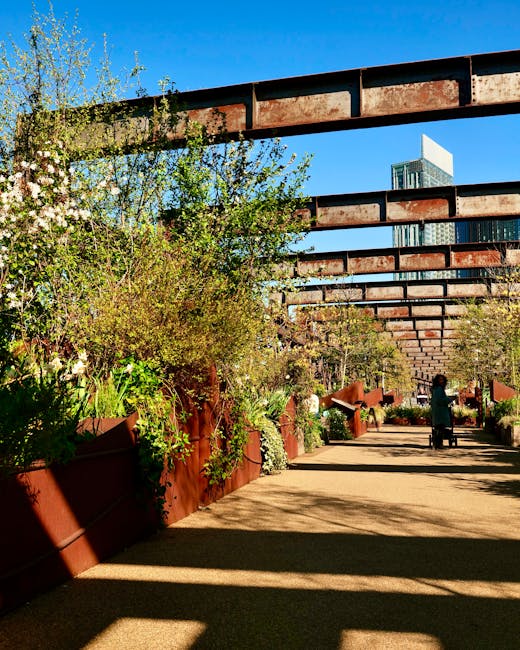
Gardeners for Granary Square patios pricing and booking tips
If you are comparing Gardeners for Granary Square patios pricing and booking tips, you are probably trying to answer two questions at once: what should a proper patio gardening service cost, and how do you book without ending up with delays, surprises, or a job that feels half-finished? Fair question. Around Granary Square, patios tend to be compact, high-traffic, and a little unforgiving. One wet week, one windy day, and suddenly the whole space needs attention.
This guide walks through pricing, booking, service scope, and the little details that make a big difference. You will get a practical view of what influences the cost, how to compare quotes, what to ask before confirming a visit, and how to avoid the common traps that catch people out. For a broader look at available services, you can also review the services overview and the company's pricing and quotes information.
Let's make this simple, useful, and a bit more grounded than the usual vague advice.
Table of Contents
- Why Gardeners for Granary Square patios pricing and booking tips Matters
- How Gardeners for Granary Square patios pricing and booking tips Works
- Key Benefits and Practical Advantages
- Who This Is For and When It Makes Sense
- Step-by-Step Guidance
- Expert Tips for Better Results
- Common Mistakes to Avoid
- Tools, Resources and Recommendations
- Law, Compliance, Standards, or Best Practice
- Options, Methods, or Comparison Table
- Case Study or Real-World Example
- Practical Checklist
- Conclusion
- Frequently Asked Questions
Why Gardeners for Granary Square patios pricing and booking tips Matters
Granary Square is a busy, modern part of London where outdoor spaces often work hard for their living. Patios there may be part of a flat, a shared courtyard, a ground-floor terrace, or a small commercial frontage. In each case, the garden space usually has to look tidy, stay safe underfoot, and cope with constant use. That changes how patio gardening is priced and booked.
Pricing matters because small spaces can still require careful labour. A patio may look straightforward, but the work can involve pressure washing, weed removal, moss and algae control, pot rearrangement, pruning, soil top-ups, sweeping, planting refreshes, waste removal, and sometimes delicate access arrangements. In a place like Granary Square, where access can be tight and neighbours close by, time is not just time. It is planning, loading, carrying, and working neatly without causing a nuisance.
Booking matters because many patio jobs are seasonal or time-sensitive. Leave a terrace too long in damp weather and the surface can become slippery. Leave dead planting in situ for months and the whole area starts looking tired, even if the structure is fine. A good booking process helps you line up the right service at the right time, without paying rush fees or getting stuck behind a longer waiting list than expected.
Practical takeaway: for patio work, the best quote is not always the lowest quote. The best quote is the one that clearly explains what is included, what may cost extra, and when the work can realistically be done.
If you want to understand the company behind the service, the about us page gives useful context on values and working style, while the insurance and safety information is worth checking when any job involves equipment, access, or potentially slippery surfaces.
How Gardeners for Granary Square patios pricing and booking tips Works
Most patio gardening quotes follow a similar pattern, although the detail varies from one provider to another. First comes an initial enquiry. Then the gardener asks about the size of the patio, the condition of the space, the work needed, and whether there are access limits, storage issues, or shared building rules. After that, you may receive a fixed price, a visit-based price, or a quotation that separates labour from materials and waste removal.
For a small Granary Square patio, the cost structure often depends on three things: time, difficulty, and disposal. Time covers the actual gardening work. Difficulty includes awkward access, heavy plant pots, built-up grime, or overgrown edges. Disposal covers green waste and any bagging or removal that is part of the job. To be fair, the difference between a simple tidy-up and a more involved patio reset can be quite large.
Booking usually works best when you provide clear information upfront. A few photos taken in daylight can save everyone time. Mention if the patio is shared, if parking is limited, if water access is awkward, or if there are pets, deliveries, or building rules to consider. That sounds basic, but it avoids the classic back-and-forth that slows everything down.
You may also be asked about timing. If you need the work done before a gathering, after a storm, or at the start of a growing season, say so early. Last-minute bookings can be possible, but they usually come with less flexibility. And nobody enjoys trying to squeeze a planting refresh into a day already packed with other jobs. That never ends calmly.
For cost clarity, it helps to read the site's pricing and quotes guidance and the payment and security page before confirming anything. It gives you a better sense of how a professional booking should feel: transparent, tidy, and easy to understand.
Key Benefits and Practical Advantages
There is a very practical reason people search for patio gardeners rather than trying to handle everything themselves. A good gardener can save time, reduce mess, and get the patio looking presentable faster than a weekend DIY effort. But the advantages go beyond convenience.
- Cleaner, safer surfaces: A patio that is swept, de-weeded, and treated appropriately is less likely to become slippery or shabby.
- Better plant health: Potted plants, climbers, and border containers often need more regular care than people expect.
- Smarter space use: Small Granary Square patios benefit from careful layout, especially when seating and planting have to share the same footprint.
- Less seasonal stress: Regular maintenance prevents the unpleasant rush of "it all needs doing now" in spring or early summer.
- More predictable spend: Booking routine work can be easier on the budget than waiting for a complete rescue job later.
One thing many people miss is how much a patio's appearance affects the whole feel of a home. A neat terrace makes the interior feel lighter, especially on those grey London mornings when the windows are misted and the outside space looks like it needs a bit of help. It only takes a few well-chosen improvements to change that.
There is also a sustainability angle. Reusing pots, choosing plants suited to shaded urban conditions, and managing waste responsibly can make ongoing care more efficient. If that matters to you, the recycling and sustainability page is a sensible place to look next.
Who This Is For and When It Makes Sense
This kind of service is a strong fit for a few different situations. Some are obvious, some a bit less so.
Homeowners and renters with patios or terraces often need help with weed control, planting refreshes, deadheading, seasonal tidying, and general presentation. In a rental property, especially, you may want the space to look cared for without investing in a major redesign. Fair enough.
Property managers and landlords may need reliable patio maintenance between tenancies or before viewings. That often means clear pricing, tidy turnaround times, and documentation that makes the job easy to sign off.
Hospitality or office spaces near Granary Square can also benefit from regular patio upkeep. The space may be small, but it still forms part of the first impression. A few plants gone over or a patch of algae on paving can be surprisingly noticeable.
People planning events or seasonal use may only need a one-off service. Perhaps the patio needs a spring refresh before guests arrive, or a late-summer tidy before the weather turns. In those cases, booking early is the smart move. You do not want to be chasing availability two days before people show up.
It makes sense to book when the current condition of the patio is stopping you from using it properly. If it looks fine from a distance but feels grubby, uneven, or hard to enjoy up close, that is usually the sign. Sometimes the problem is not huge. It just needs a competent pair of hands.
Step-by-Step Guidance
- Assess the patio honestly. Walk through the space and note weeds, moss, overgrowth, broken pots, drainage issues, and any areas that feel slippery or cluttered.
- Decide what outcome you actually want. A quick tidy-up is different from a full patio reset. If you want planting advice, mention that. If you only want maintenance, say so plainly.
- Take clear photos. Shoot from a few angles in daylight. Include close-ups of problem areas and a wider shot of the whole patio. This helps with accurate pricing.
- Check access details. Think about stairs, lift access, door widths, storage space, parking, and whether any building rules apply.
- Ask for an itemised quote. Make sure you understand labour, materials, waste removal, and any extras that could appear later.
- Compare not just price but scope. Two quotes can look similar until you notice that one includes clearance, while the other does not. Small difference, big effect.
- Choose a sensible date. If the patio needs work before a weather change or an event, do not leave it too late. A fair booking window helps everyone.
- Confirm the plan in writing. Even a simple confirmation email or booking note can prevent confusion about what was agreed.
Here is the bit people sometimes skip: ask how the job will be finished. Will the patio be swept down? Will containers be put back neatly? Will waste be removed on the same day? Those details matter more than they sound. A patio job can look decent on paper and still leave you with a messy afterstate. Nobody wants that.
Expert Tips for Better Results
Over time, a few patterns become obvious. The best outcomes usually come from clear briefings, realistic expectations, and a decent understanding of what is worth paying for.
Book before the obvious rush periods. Spring is busy. Early summer is busy. After a long wet spell, it is busy again. If your patio needs a lot of attention, booking a little earlier often gives you more choice and a calmer experience.
Be honest about the condition. It helps nobody if you describe a moderately tired patio as "just needs a little tidy". If there are deep-set weeds, staining, or a jungle of self-seeded growth behind the pots, say it. You will get a more realistic quote.
Ask what is excluded. This is one of the easiest ways to avoid disappointment. Common exclusions may include specialist jet washing, replacing plants, major replanting, or waste that requires separate handling.
Look for practical advice, not just labour. A good gardener should be able to tell you if the patio needs shade-tolerant plants, a drainage check, or a better container mix. That guidance is often worth more than the tidy-up itself.
Think in repeat visits if the space is used heavily. A one-off reset is useful, but a low-maintenance schedule can be cheaper and less stressful over the year. For a patio used daily, that may be the better fit.
And one small truth from real life: the cheapest option is not always cheaper once you factor in rework. If a patch of weeds keeps returning because the root system was only skimmed over, you end up paying again anyway. Bit annoying, really.
Common Mistakes to Avoid
Patio bookings go wrong for predictable reasons. The good news is that most of them are easy to avoid once you know what to look for.
- Vague job descriptions: "Just a patio tidy" can mean five different things to five different people.
- Not mentioning access issues: If the gardener has to carry tools through a narrow route, that changes the visit plan.
- Assuming waste removal is included: Sometimes it is, sometimes not. Ask directly.
- Booking too close to the deadline: If you need the patio ready for a gathering, leave some breathing room.
- Ignoring maintenance advice: If the gardener recommends a follow-up after planting, there is usually a reason.
- Choosing on price alone: Cheapest can be fine, but only if the scope, timing, and finish are also right.
A particularly common mistake is forgetting about the patio's microclimate. Granary Square spaces can be shaded by surrounding buildings, exposed to wind, or damp in corners where water sits longer than you expect. That affects plant choice and cleaning frequency. It is not glamorous, no, but it matters a lot.
Another one: people sometimes order a planting refresh before checking what survives in the light conditions. A lovely display can struggle if the space never gets enough sun. Better to ask first than replace plants three weeks later.
Tools, Resources and Recommendations
For a patio job to go smoothly, the right tools and preparation matter. You do not need to own them all yourself, but it helps to understand what a professional may bring to the job.
- Manual weeding tools: Useful for precision work around joints, edging, and tight corners.
- Brooms and patio brushes: Still essential, especially for a clean finish after heavier work.
- Pressure washing equipment: Can be effective, but only when used carefully and appropriately for the surface.
- Pruners and secateurs: Handy for container shrubs, climbers, and light trimming.
- Waste bags or barrow access: Makes removal more efficient and avoids clutter.
- Plant care materials: Compost, mulch, top dressing, or feed, depending on what the job involves.
When comparing services, it also helps to check the supporting information that a professional business publishes. The health and safety policy is a good sign that the team thinks carefully about working conditions. The complaints procedure can also be reassuring, because it shows there is a proper way to deal with issues if something does not go as expected.
If you value ethical and well-run operations, the modern slavery statement and about us page may sound like background reading, but they do help build trust. And yes, trust is part of good booking advice. Not the flashy part, but the important part.
Law, Compliance, Standards, or Best Practice
For patio gardening in London, there are a few practical compliance points worth keeping in mind. This is not legal advice, and exact duties can vary by property type and contract, but the general principles are straightforward.
Access and shared spaces: In apartment buildings or managed developments, there may be rules about lift use, service access, working hours, waste routes, or noise. If you are in Granary Square, it is wise to check any building or management instructions before confirming the visit.
Health and safety: Wet paving, uneven pots, electrical equipment, and manual carrying all introduce risk. Good practice means using equipment correctly, keeping walkways clear, and working in a way that avoids slips and trip hazards. If there are children, pets, or residents moving through the area, that matters even more.
Insurance: A professional gardener should be able to explain how they handle insurance and safety matters. That is especially important where tools, ladders, or water use are involved. If you want to understand the approach in more detail, the insurance and safety page is the right place to look.
Waste handling: Green waste should be handled responsibly. In many patio jobs, this means removing clippings, plant matter, and old compost without leaving a mess behind. If disposal is part of the quote, make sure that is stated clearly.
Payments and terms: Before booking, it is sensible to check terms, payment methods, and what happens if a job needs to be rescheduled. The terms and conditions and payment and security information are there for exactly that reason.
Best practice, in plain English, means everyone knows what is being done, when it is being done, and who is responsible for what. That sounds basic, but it saves a lot of hassle.
Options, Methods, or Comparison Table
Patio gardening is not one single service. It can be a tidy-up, a maintenance visit, a planting refresh, or a deeper restoration job. Here is a simple comparison to help you choose the right type of booking.
| Service type | Best for | Typical scope | Booking tip |
|---|---|---|---|
| One-off tidy-up | Before guests, viewing, or seasonal use | Sweeping, weeding, pruning, light pot rearranging | Send photos and confirm exactly what should be left in place |
| Routine maintenance | Busy patios used all year | Regular trimming, deadheading, weed control, checks on plant health | Book recurring visits to keep costs predictable |
| Planting refresh | Patios that look tired or patchy | New containers, seasonal plants, soil refresh, layout advice | Ask about light levels and maintenance needs before choosing plants |
| Restoration or reset | Overgrown, neglected, or cluttered patios | More intensive clearance, waste removal, sometimes reworking the space | Allow more time and request a fully itemised quote |
For most people, the real choice is between "quick tidy" and "do it properly once." If you are unsure, ask the gardener which option suits the current condition. A decent professional will tell you straight, even if the answer is a bit less glamorous than you hoped.
Case Study or Real-World Example
Imagine a compact Granary Square terrace with three large pots, two shallow planters, a paved floor, and a narrow route from the flat. The space is used for coffee in the morning, a quick lunch outside when the weather behaves, and the occasional evening with friends. Over time, the joints between paving slabs gather weeds, one corner goes damp and a little green at the edges, and the plants begin to look tired rather than vibrant.
The owner wants the patio ready for a weekend gathering in ten days. They send a few clear photos, mention the access route, and note that the pots are too heavy to move without help. The gardener quotes for a tidy-up, weed removal, planting refresh, light pruning, and waste clearance. Because the request is specific, the quote is more accurate. Because the booking is made early enough, there is room to schedule the job without rush.
On the day, the work is completed in a calm, methodical way. The paving is cleaned back, the containers are grouped more neatly, and the planting is simplified so it is easier to maintain. Nothing dramatic, just a better version of the same space. That is often the sweet spot with patio gardening. Not a total transformation. Just the point where the area starts to feel good again.
Truth be told, that is what most people really want: a patio that looks cared for, works properly, and does not nag at them every time they open the door.
Practical Checklist
Use this before you book. It keeps the process tidy and avoids the usual back-and-forth.
- Take clear photos of the patio in daylight
- Measure the space roughly if you can
- List the exact tasks you want done
- Note any access limits, parking issues, or building rules
- Ask whether waste removal is included
- Check whether materials or plants are extra
- Confirm the preferred date and any deadline
- Ask how payment works and when it is due
- Review the terms before accepting the quote
- Keep a written record of the agreed scope
Quick rule of thumb: if you cannot explain the job clearly in two sentences, the gardener probably cannot price it cleanly either. Slightly awkward, but true.
Conclusion
Booking patio gardening around Granary Square is easiest when you treat it as a small project, not just a quick fix. Clear photos, realistic expectations, and a well-scoped request usually lead to better pricing and a smoother visit. The best services are the ones that leave you with a usable, tidy space and no lingering questions about what was included.
Whether you need a one-off refresh or a regular maintenance plan, the key is to match the job to the space. Small urban patios have their own rhythm, and once you understand that, everything gets easier. Less guesswork. Better results. Less stress on your end.
If you are ready to move forward, start by checking the service details, then make an informed enquiry. A little preparation now can save a lot of hassle later, and your patio will thank you for it. Not in words, obviously. But you will notice.
Get a free quote today and see how much you can save.
Frequently Asked Questions
How much do gardeners for Granary Square patios usually cost?
Costs depend on patio size, condition, access, and what is included. A light tidy-up will usually cost less than a full reset with waste removal and planting work. The safest approach is to request a written quote with a clear scope.
What affects patio gardening prices the most?
The biggest factors are labour time, difficulty of access, level of overgrowth, and whether waste needs removing. Surface cleaning, pruning, and planting can all change the price too.
Is it cheaper to book a one-off patio tidy or regular maintenance?
Regular maintenance is often easier to budget for and can reduce the need for expensive rescue work later. One-off tidies are useful, though, if you just need the patio ready for a specific date.
Should I send photos before asking for a quote?
Yes, definitely. Good photos help a gardener judge the condition of the patio, access routes, and likely labour time. That usually leads to a more accurate quote and fewer surprises.
How far in advance should I book a patio gardener in Granary Square?
As early as you can, especially in spring and early summer. If you need the patio ready for an event or tenancy change, leaving a little buffer is wise.
What should I ask before confirming a booking?
Ask what is included, what costs extra, whether waste removal is part of the quote, and how access will be managed. It is also sensible to ask about payment terms and any rescheduling policy.
Can a gardener help with planting ideas for a small patio?
Yes. That is often one of the most useful parts of the service. A good gardener can suggest plants that suit shade, wind, limited soil depth, and the amount of time you want to spend on upkeep.
Do I need to prepare the patio before the gardener arrives?
Only basic preparation is usually needed. Move personal items if you can, clear a path, and make access easy. If the patio is shared or managed, let the gardener know about any rules in advance.
What is the difference between a tidy-up and a restoration job?
A tidy-up is usually lighter: sweeping, weeding, pruning, and general presentation. Restoration is more involved and may include heavy clearance, deeper cleaning, replanting, and more time on site.
How do I know if the quote is fair?
A fair quote should explain the work clearly, note what is excluded, and make sense for the condition of the patio. If something seems vague, ask for clarification before accepting.
Are there any special safety issues with patio work?
Yes. Slippery paving, uneven surfaces, water use, and tool handling all need care. If the patio is in a shared building, access and movement around residents also matter. That is why insurance and safety information is worth checking.
What if I need to complain after the job?
It is best to raise the issue promptly and refer to the company's complaints process. A proper business should have a clear way to deal with concerns and put things right where needed.